Why Capable Women Lose Access to Desire
(Why They Stop Wanting What They Want — and What Nervous System Regulation Has to Do With It)
A few nights ago, I was in a bar with a friend.
It was New Year’s — that strange, suspended stretch of time where everyone starts talking about the future like it’s a project plan that just needs better resourcing.
You know the tone.
Plans were being made.
Projects named.
Life upgrades vaguely gestured at, as though wanting were a matter of sequencing rather than sensation.
She was telling me what she was doing next — work-wise, life-wise, future-wise — and on the surface it all sounded… fine. Sensible. Adult. Entirely reasonable.
The kind of answer that earns a polite nod at a dinner party and absolutely no follow-up questions.
So I asked a question I ask a lot.
“Okay. And what do you actually want?”
She stopped mid-sentence.
Not defensively.
Not dramatically.
Just… blank.
We sat there while her mind rummaged around for something solid to offer up — something true, something felt, something that hadn’t already been approved by practicality.
Nothing came up.
And here’s the part people often miss.
She’s smart. Capable. Organised. She does things. She pays her bills. She has plans. She’s not floundering in the way we usually imagine floundering looks.
But when you strip away what needs doing, what makes sense, what adulthood requires, what keeps the wheels turning —
there was no clear answer.
That pause — that quiet absence where desire should live — is far more common than people realise.
They’re not lost. They’re responsive.
Most of the women I work with aren’t confused.
They’re responsive. Or to put it more acutely, reactive.
Hyper-competent. High-functioning. Olympic-level adaptors.
They’ve built lives by responding — skillfully, efficiently — to deadlines, expectations, responsibilities, skillsets they already possess, and the shape their lives took while they were busy surviving them.
They react to the present extremely well.
And because they’re competent, it looks like direction.
But reaction isn’t authorship.
It’s maintenance.
And maintenance, while impressive, is not the same thing as choosing where your life is actually going.
When your nervous system has been trained to manage life — to keep things stable, appropriate, contained — it cannot simultaneously author it.
That’s not a mindset issue.
That’s architecture.
A system organised around coping will always prioritise stability over desire.
Which means the question “What do I want?” doesn’t feel inspiring.
It feels unsafe.
Nervous system regulation and the quiet disappearance of wanting

Here’s the mechanism most personal development politely steps around.
If your nervous system is busy maintaining function — staying capable, staying appropriate, staying ahead of collapse — there is very little capacity left for imagination.
Not because you’re blocked.
Not because you’re broken.
But because your system is doing exactly what it was trained to do.
(It’s not bubble baths. It’s not breathwork cosplay.)
Regulation is capacity.
Capacity to hold sensation, uncertainty, desire, expansion — without numbing, bypassing, or collapsing under the weight of it.
When that capacity isn’t there, wanting starts to feel indulgent. Unrealistic. Slightly irresponsible. Like a luxury you’ll earn later, once everything else is handled.
So instead, you become very good at doing what’s needed.
And one day you realise you’re excellent at managing a life you never consciously chose.
This is not a motivation problem
Let me be very clear — and yes, slightly unpopular.
This is not solved by clarity hacks, vision boards, “just decide” energy, pushing harder, or being more disciplined.
The women I work with have discipline in spades.
What’s missing isn’t drive.
It’s internal safety.
A nervous system locked into constant response mode will always choose the known over the true. It will choose what’s familiar over what’s meaningful, simply because familiarity feels survivable.
So desire doesn’t disappear.
It goes quiet.
The cost of being too functional (and why everyone applauds it)
High-achieving women are often praised for their coherence.
But survival-based coherence has a cost.
You can run an impressive life, be deeply trusted, hold enormous responsibility, be highly capable — and still feel strangely disconnected from yourself.
Because coherence built on pressure eventually fractures.
Not loudly.
Not dramatically.
Quietly.
Not because she’s weak — but because no system can live on response forever.
At some point, something has to give.
What actually changes in this work
We don’t start with goals.
Because goals without capacity are just beautifully worded pressure.
We start with the system you’re operating from.
And we don’t “find your desire.”
We rebuild the capacity to feel it without destabilising your life.
Once the nervous system learns it can hold more — not perform more — something begins to shift.
Clients often say things like:
“I thought I didn’t know what I wanted. But actually… I just couldn’t hear myself.”
Not as a lightning bolt.
Not as a five-year plan.
More like a series of subtle recognitions:
* “That doesn’t feel right anymore.”
* “That actually matters to me.”
* “I’ve been reacting for a long time.”
That’s not confusion clearing.
That’s authorship coming back online.
It’s the moment a woman realises she hasn’t lost herself — she’s been holding herself together.
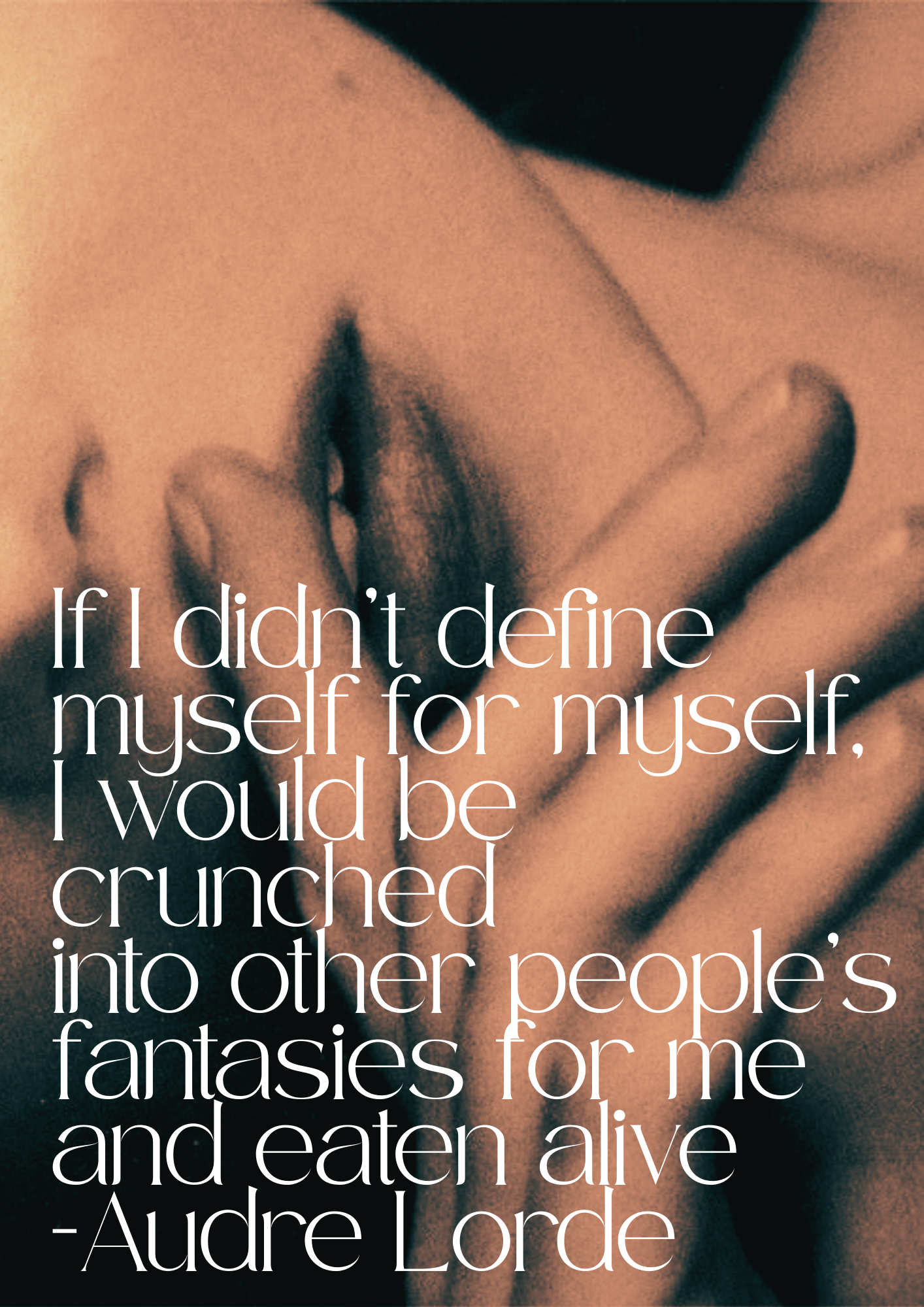
This isn’t about being a victim of other people’s expectations.
It’s about what happens when identity is shaped by reactive response instead of authorship.
Capability vs. creation
Capability keeps your life running.
Creation is what stops it from feeling like an exceptionally well-managed waiting room.
Creation changes direction.
You don’t lose one to gain the other.
But you do have to move out of constant reaction to access choice.
And that shift doesn’t happen through force.
It happens through regulation — through building enough internal capacity that desire no longer feels dangerous.
Not answers.
Space.
And from that space, wanting stops feeling like a problem to solve — and starts feeling like a signal you can finally trust.
⚡️🔥🚀♥️