When Competence Becomes a Mask
(Expression)
Once you start noticing it, you can’t unsee it.
At bars.
In cafés.
At dinner parties.
On panels and podcasts.
People speak fluently about what they should be doing.
Careers.
Plans.
Next steps.
The correct opinions to hold about all of it.
They sound articulate. Measured. Reasonable.
And then — if you ask a different question —
“What actually feels true for you?”
Something goes missing.
Not dramatically.
Not defensively.
Just a slight delay.
A recalibration.
A subtle tightening behind the eyes.
As if the language they were using a moment ago no longer quite applies.
Competence is a very good hiding place
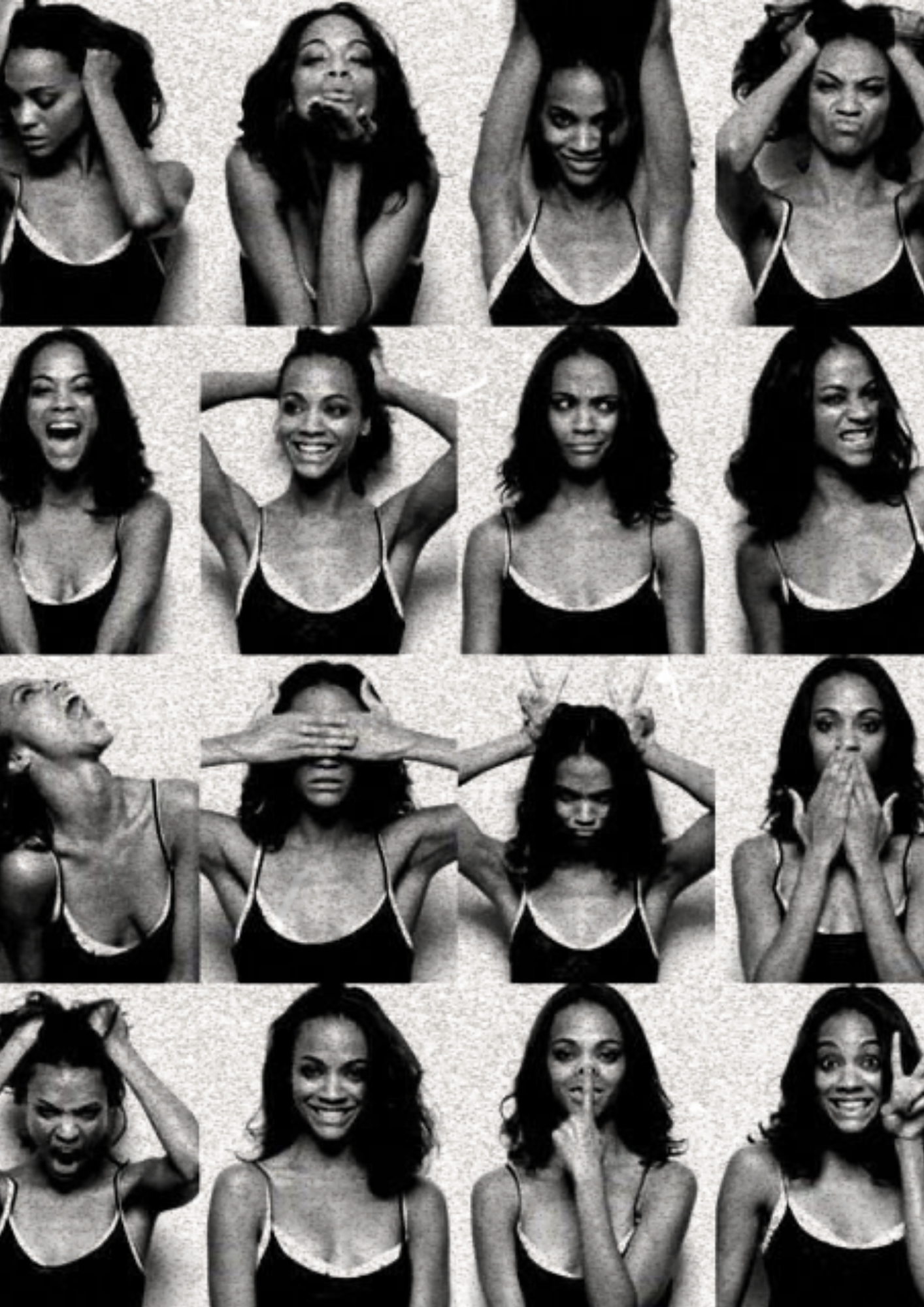
Most women I work with are excellent communicators.
They can explain.
Contextualise.
Clarify.
Translate complexity into something palatable.
They know how to sound confident — even when they feel hollow underneath.
Because competence has become camouflage.
It keeps conversations moving.
It keeps things respectable.
It keeps the truth from becoming inconvenient.
Competence allows a woman to be visible without being exposed.
And for a long time, that works.
Why expression starts to drain
Here’s the complaint I hear over and over:
“I sound confident… but I don’t feel connected to what I’m saying.”
That’s not a visibility problem.
That’s an incoherence problem.
When expression isn’t rooted in something internally true, it requires energy to maintain.
You’re managing tone.
Tracking perception.
Anticipating response.
Holding the image together.
You’re not expressing — you’re performing alignment.
And performance, even when it’s polished, is metabolically expensive.
No wonder it’s exhausting.
Visibility isn’t scary — incoherence is

Most women don’t actually fear being seen.
They fear being misaligned while visible. Meaning, they fear speaking from a place that doesn’t feel anchored — and then having to live up to it.
Or defend it.
Or repeat it.
Or become responsible for maintaining it.
So they keep things:
Polished.
General.
Impressive.
Safe.
But safety built on incoherence is fragile.
It asks the nervous system to work overtime — not to regulate, but to manage perception.
When expression costs more than it gives
This is the moment many women quietly pull back.
They post less.
They share less.
They speak less freely.
Not because they lack confidence.
But because visibility has become associated with drain.
With effort.
With tension.
With a subtle sense of self-betrayal.
Expression doesn’t feel replenishing anymore.
It feels like output.
What changes when expression becomes coherent
When expression is rooted in something internally true, the experience changes entirely.
You’re no longer holding an image together.
You’re no longer bracing for response.
You’re no longer monitoring yourself in real time.
Expression stops costing energy.
It returns it.
Not because everyone agrees.
Not because it’s perfectly articulated.
But because your system recognises itself in what’s being said.
That’s when visibility stops draining you.
And starts stabilising you.
Why Expression doesn’t come first — or last

This is why Expression comes after Regulation, Refinement, and Repatterning.
Not because it’s the end of the work.
But because expression without internal coherence becomes performance — and expression without integration becomes unstable.
When the system is regulated, the signal refined, and the pattern updated, expression no longer needs management.
It becomes transmission.
Less effort. More resonance. Far more relief.
But expression is still a moment.
Integration is what makes it sustainable.
Expression is where truth becomes audible.
Integration is where it becomes lived.
And that’s where the work actually settles.
⚡️🔥🚀♥️